How SMEs Can Streamline Cross Border Finances During Global Expansion
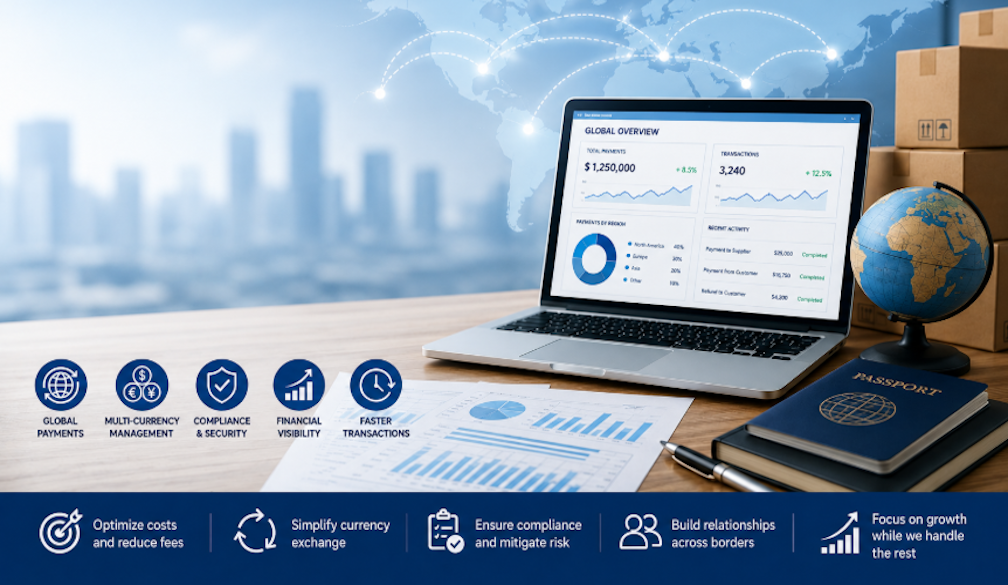
Global trade is no longer exclusively the domain of massive multinational corporations. Today, small and medium-sized enterprises are rapidly entering international markets. These businesses are driven by a continuous search for new revenue streams and greater cost efficiencies. Recent economic data projects that the market for small business cross-border payments will grow by an impressive 54 percent by 2032. However, while the opportunity for international expansion is vast, the financial complexities involved can quickly derail an unprepared business. Navigating different regulatory environments, managing unfamiliar tax obligations, and dealing with currency fluctuations require a robust and scalable approach to corporate finance.
Mastering Domestic Foundations Before Expanding
Before taking on the significant hurdles of foreign markets, companies must ensure their home operations are financially airtight. A successful international leap requires absolute clarity on cash flow and everyday operational expenses. If domestic finances are messy, expanding overseas will only multiply those existing problems.
Financial experts emphasize that controlling business spending is helping finance leaders to forecast with confidence, providing the fundamental visibility necessary before a company attempts to juggle multiple currencies. A structured approach to domestic budgeting allows companies to allocate the appropriate capital for international market research, legal compliance, and initial marketing campaigns.
Without a strong grip on daily expenditures at home, the hidden fees and operational costs of global trade will compound existing inefficiencies. A solid domestic financial base provides the buffer necessary to absorb the initial shocks of entering a new market and dealing with unfamiliar international vendors.
Structuring Your Global Financial Footprint
Once domestic spending is optimized, the next hurdle is establishing an infrastructure capable of handling international cash flows. When growing companies rely solely on their local bank for foreign transactions, they often expose themselves to unfavorable exchange rates and hidden conversion fees.
Offshore banking setups provide a highly practical corporate vehicle for internationally active businesses. These specialized financial accounts allow companies to hold multiple currencies, manage global payroll seamlessly, and separate assets by jurisdiction to remain fully compliant with local banking regulations. This separation of assets also adds a layer of operational security, ensuring that funds are available in the specific regions where they are most needed.
By utilizing these optimized account structures, growing businesses can hold funds in the exact currencies they trade in most frequently. This structural shift transforms international banking from a costly bottleneck into a strategic operational tool that actively preserves profit margins and accelerates payment cycles.
Overcoming the High Costs of International Transfers
The friction associated with moving money across borders remains one of the largest hurdles for growing enterprises. Traditional correspondent banking networks were initially built for large institutional transfers, which leaves smaller businesses to navigate a highly fragmented and expensive system.
A recent working paper from the Bank for International Settlements highlighted these severe inefficiencies, noting that cross-border payments for retail and small firms are much more costly and slower than domestic payments, with global averages still seeing $12 costs to remit $200. This level of expense can severely impact cash flow for a small company managing high volumes of smaller international payments.
To combat this friction, businesses must actively seek out modern financial tools and alternative payment providers. Many new financial platforms offer transparent, same-day value cross-border transfers tailored specifically to the volume and speed requirements of modern growing businesses.
Key Strategies for Managing Foreign Exchange Risks
Currency volatility is a critical threat to modern business profitability. Even minor currency shifts can drastically alter the cost of goods sold between the time a deal is struck and when a payment is actually due. A recent industry report revealed that more than half of small businesses trading overseas lost money due to volatile currency movements.
To protect their margins, companies should implement several core strategies. Finance teams must prioritize protective measures when structuring their international operations. The most effective tactics include:
- Holding Multiple Currencies: Maintain balances in major trading currencies like euros or sterling to avoid constant conversion fees and naturally offset your incoming and outgoing payments.
- Implementing Hedging Strategies: Use forward contracts to lock in exchange rates for future dates. This ensures that a sudden dip in your local currency does not destroy the profit margin of an upcoming international invoice.
- Leveraging Alternative Fintech Providers: Traditional banks are losing ground to nimble financial technology competitors that offer specialized, low-cost accounts specifically tailored for the speed required by smaller enterprises.
- Preparing for New Institutional Standards: Stay informed about upcoming infrastructure changes, such as the specialized cross-border payment schemes being rolled out to deliver more predictable global transfers for smaller businesses.
Global expansion offers immense growth potential, but it requires a highly strategic approach to cash flow management and treasury operations. By securing domestic spend, upgrading corporate banking infrastructure, and proactively mitigating currency risks, businesses can confidently scale across borders and thrive in the modern global economy.


 Business Daily Media