What Hospitality Venues Should Consider Before Upgrading Display Equipment
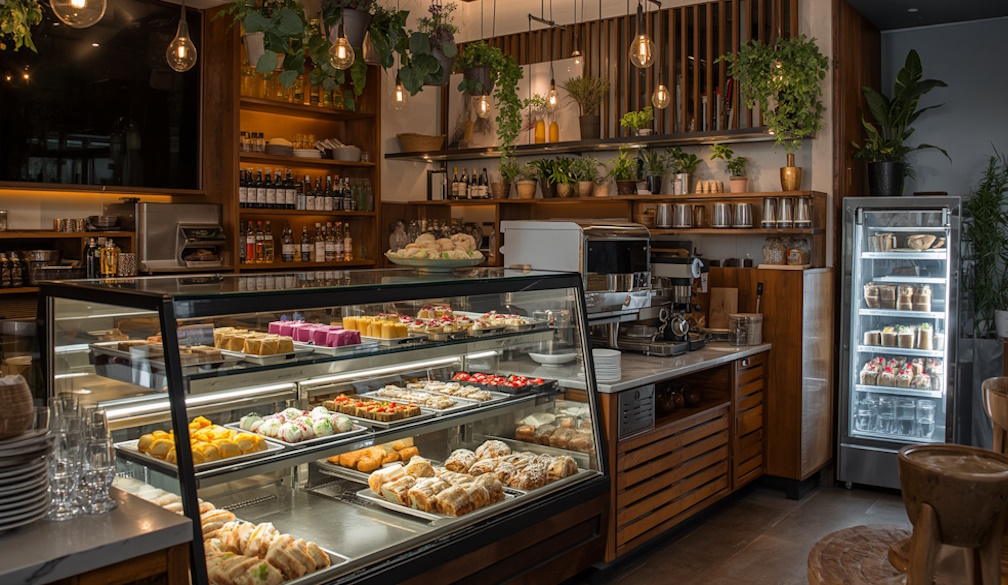
In hospitality, presentation does a lot of quiet selling. A customer might walk in planning to order only a coffee, then notice a cabinet full of fresh sandwiches, colourful cakes or chilled drinks and decide to add something extra. The right display setup can make products look more appealing, help staff work faster and give the venue a more polished feel without changing the menu at all.
For cafés, bakeries, convenience stores and food service venues, equipment choices need to balance appearance with reliability. Looking into options such as SKOPE ReFlex can be a useful starting point when a business wants display refrigeration that supports both customer appeal and day-to-day practicality.
The Display Has to Suit the Way People Buy
Not every customer studies the menu before ordering. Many make quick decisions based on what’s in front of them, especially during breakfast rushes, lunch breaks or afternoon coffee runs. A good display makes those decisions easier by showing products clearly, keeping them well organised and making the range feel fresh.
The layout of the display matters. Items that sell quickly should be easy to see and reach. Higher-margin products may deserve better visual placement. Smaller items can get lost if shelves are too crowded, while larger items can make the display feel messy if spacing isn’t planned properly.
Lighting, glass clarity and shelf height all play a role. Customers should be able to scan the cabinet without bending, squinting or asking staff what’s available. When food looks accessible, people are more likely to buy with confidence.
Reliability Matters More Than It Seems
Display equipment has to look good, but it also has to perform consistently. In hospitality, refrigeration issues can become expensive quickly. If temperatures fluctuate, stock quality can suffer. If the unit breaks down, staff may need to rearrange service, move products or discard food. During a busy period, that kind of disruption is the last thing a venue needs.
That’s why it’s worth thinking beyond the initial purchase price. A cheaper unit might seem appealing upfront, but reliability, energy use, warranty support and ease of maintenance should all factor into the decision. Equipment that works quietly in the background is often more valuable than equipment that saves a little at the start but creates problems later.
Staff also need to be able to clean and restock the unit easily. If maintenance feels awkward or time-consuming, it may not be done as consistently as it should be.
The Counter Area Should Still Feel Comfortable
A larger display can increase capacity, but it shouldn’t overwhelm the service area. Customers need room to queue, order and collect items. Staff need space to move without bumping into each other. If a new unit makes the counter feel cramped, the venue may solve one problem while creating another.
Before upgrading, it helps to watch how the space works during peak times. Where do people stand? Where does the queue form? Which staff movements happen most often? These observations can reveal what size and style of equipment will actually suit the business.
Good Equipment Supports the Whole Venue
Upgrading display equipment isn’t just about buying a fridge. It’s about improving how products are presented, how staff work and how customers experience the venue.
When the right display setup is chosen, it can help food look better, reduce service friction and support stronger daily sales. In a competitive hospitality environment, those small improvements can make the whole operation feel smoother and more professional.


 Business Daily Media