4 Best Packaging Design Agencies for Beauty Brands: Top Cosmetic Packaging Firms
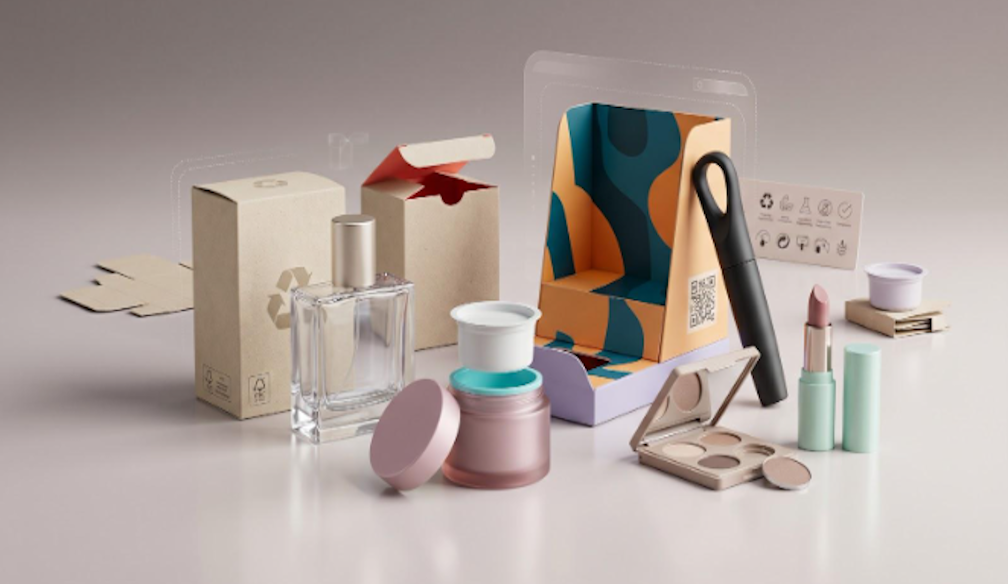
Packaging is your beauty product’s handshake—and 72 percent of U.S. shoppers say design steers their purchase decisions, according to a 2026 Gitnux consumer-behavior report.
In this guide, we rate the four agencies that excel in beauty expertise, award pedigree, sustainability, service range, and fresh thinking. You’ll see the trends reshaping packaging, our scoring rubric, the winners, and a quick matching tool so you can choose the right partner with confidence.
What’s shaping beauty packaging in 2026?
Scan any Sephora shelf or TikTok feed and you’ll feel a shift. Materials, mechanics, and even the meaning of a jar or tube are changing fast. To choose a design partner, we first need to read the room.
Luxury now wears a greener coat. Prestige brands still love heavy glass and gilded caps, but they also demand post-consumer resin and FSC-certified paper so unboxing feels rich, not reckless.
Refill culture has tipped. Snap-in makeup pans, screw-off serum cartridges, and powder-to-foam cleansers let shoppers keep the outer vessel while swapping the core. Agencies must engineer systems that click smoothly, seal tight, and survive handbag life without a leak.
Social video has turned packaging into content. Hinges that reveal hidden color pops, QR codes that open AR tutorials, and cartons that fold into vanity displays earn reach each time a creator presses record. Structural design and storytelling now start side by side.
Design for all abilities is moving from awards stage to market standard. Easy-grip wings and one-hand magnetic closures prove inclusivity can look beautiful, not basic. Expect clients to ask how that mascara tube feels to someone with limited dexterity, not just how it photographs.
Finally, regulators are in the chat. The U.S. FTC is revisiting its Green Guides, pressing marketers on what “recyclable” means—a clear warning that vague eco-claims will face hard scrutiny. According to an FTC workshop announcement, agencies that bake compliance into creative keep you ahead of the rulebook.
Hair-tool brand T3 Micro trimmed its packaging spend by 20 percent after Zenpack replaced mixed-material inserts with an FSC-certified paperboard system.
The redesign kept the signature gold-foil detail while sidestepping plastic-tax fees, proving that luxury cues and lower environmental impact can add up to real savings.
These forces shape every brief you’ll send this year. Keep them in view as we compare the agencies ready to meet them.
How we ranked the agencies
You deserve more than gut feel, so we built a scoring model that treats every agency like a product on the shelf.
First, we defined five pillars that matter most in beauty packaging: beauty-sector focus, award pedigree, sustainability depth, service breadth, and measurable originality. Each pillar carries a weight tied to launch success. Awards earn the heaviest slice because trophies from Pentawards or Red Dot signal peer-validated creative quality you can trust.
Next, we gathered public data—case studies, award databases, sustainability statements, and third-party reviews. We assigned raw scores, then converted them to weighted points out of 100. Agencies needed at least 72 points, proven beauty experience, and a design award within the last five years to qualify. Any firm lacking eco capability or showing no beauty work was removed.
The math produced a clear top four, and we kept the numbers visible because openness builds trust.
|
Agency |
Beauty focus 20% |
Awards 25% |
Sustainability 20% |
Services 20% |
Originality 15% |
Total |
|
Zenpack |
16 |
25 |
19 |
20 |
13 |
93 |
|
Pearlfisher |
18 |
23 |
17 |
10 |
12 |
80 |
|
MSLK |
20 |
15 |
18 |
12 |
10 |
75 |
|
HAJOK |
15 |
20 |
15 |
12 |
10 |
72 |
Established and Cubiq landed just below the threshold, so we list them as honorable mentions rather than stretch the “best” label.
With the field set, meet the winners one by one and see why each excels in a different lane.
1 · Zenpack: the end-to-end idea leader
A design studio with a factory heartbeat—that’s Zenpack. Founded in California and now working on two continents, the team blends Silicon-Valley speed with artisan craft, turning white-board sketches into shelf-ready beauty packaging in weeks, not quarters.
Capability drives their top score. Zenpack’s San Jose lab houses industrial designers, graphic artists, and a Kongsberg cutting table that produces working prototypes the same day concepts are approved. Production lines in Asia sit within the same corporate family, so a sample can roll straight into pilot runs without the usual finger-pointing between designer and manufacturer.
Results follow. A clear PET showcase box for MakeupDrop showed that minimal, recyclable packaging can still feel luxe. PR kits for niche perfume houses arrive with magnetic lids that sigh open, while refillable skincare jars balance tactile delight with carbon math. Every detail feels intentional, from dielines that minimize scrap to inserts engineered for a photogenic reveal.
Zenpack treats sustainability as a creative constraint, not a limiter. Expect mono-material paperboard in place of plastic windows, FSC paper by default, and end-of-life guidance baked into the first briefing call.
Best for founders who want a single partner from mood board to global shipment, brands chasing tight launch timelines, packaging design, and marketers who view unboxing as a marketing channel, not an afterthought.
2 · Pearlfisher: brand-first vision with global polish
If Zenpack is the engineer, Pearlfisher is the storyteller. The London-born agency treats packaging as chapter one of a brand saga, not a decorative shell. Every brief begins with strategy sessions that search for a resonant truth, then the design team converts that insight into memorable form.
Consider BYOMA. Pearlfisher abandoned the safe white-on-white of clinical skincare and splashed neon colour-blocking across chunky, refillable bottles. Sephora’s Gen Z aisle lit up, and the range won a Pentaward for best health and beauty design. The same bold instinct appears in Love Ocean’s whale-shaped kids’ bath bottles and the modern apothecary aesthetic of SKYN Iceland. Different categories, same discipline: each pack signals benefit at arm’s length and emotion up close.
Range is their edge. Industrial designers sketch custom closures while graphic teams craft icons, motion assets, and retail displays. With studios in London, New York, and Copenhagen, cultural nuance enters concepts from day one, crucial if you plan to launch in Boots, Ulta, and Sephora within the same quarter.
Sustainability weaves through the work without preachy slogans: lightweight glass, mono-material pumps, and refill pods that satisfy. The team calls it “desirable responsibility,” a balance of glam and green that resonates with luxury clients.
Best for growth-stage brands seeking unified identity and packaging, heritage lines ready for a refresh, or marketers chasing global consistency with local flair.
3 · MSLK: indie beauty’s brand-building SWAT team
Walk into MSLK’s New York studio and you’ll feel SoHo street style filtered through 25 years of cosmetic know-how. The boutique crew stays small on purpose, so every client works face-to-face with the founders behind the mantra “Make Brands Look Stellar.”
That personal touch shows in launches like Meloway Cosmetics. MSLK tilted the mascara wand for easier application, then wrapped the tube in electric gradients that pop in a one-second TikTok close-up. Four design awards followed, and retail sell-through doubled category averages in the first quarter.
MSLK treats packaging as part of one ecosystem. Logos, shade names, shipper boxes, and influencer mailers share a visual language, so shoppers recognize the brand whether they meet it on shelf, in Stories, or in a friend’s unboxing reel. For cash-smart founders, that consistency builds trust without seven-figure ad budgets.
Sustainability comes standard. Long before it was trendy, the team’s “Remove the Wrap” push urged beauty brands to drop excess cellophane. Today they default to recyclable pumps, soy inks, and molded pulp inserts that feel premium yet compost at home.
Best for indie or clean-beauty labels craving hands-on guidance, quick iteration, and packaging that sparks conversation as naturally as it sparks sales.
4 · HAJOK: German discipline meets everyday desire
HAJOK’s Hamburg headquarters feels more lab than loft. Designers huddle with print technicians, debating Pantone curves and barrier coatings like watchmakers fine-tuning gears. The outcome is packaging that whispers confidence instead of shouting for clicks.
Their record with Beiersdorf’s NIVEA tins and Florena’s natural-care reboot shows the approach. Every surface earns its keep, from the precise ingredient icon that calms chem-phobic shoppers to the velvet-touch varnish that signals indulgence without adding weight or waste. Retail partners value HAJOK because the agency’s dielines pass through automated filling lines on the first run, saving weeks of troubleshooting.
A 2022 Red Dot for Melitta Manufaktur coffee proves their eye extends beyond beauty and keeps ideas fresh. Inside the studio, sustainability and regulation share equal footing with aesthetics. Designers map EU recycling symbols and multi-language INCI panels before sketching graphics, so nothing feels crammed at the eleventh hour.
HAJOK’s signature is balance. You get German engineering rigor in approachable warmth, perfect for dermocosmetics or heritage brands that must modernize without losing soul.
Best for scale-ups eyeing European pharmacy shelves, global firms chasing rollout efficiency, and marketers who know quiet mastery converts browsers into loyalists.
Honorable mentions worth a look
Two agencies sat just below our score cutoff yet still offer unique strengths. If their skills fit your gaps, add them to your shortlist.
Established: the inclusivity trailblazer
According to Design Week, when Established created Tilt Beauty’s arthritis-friendly makeup, the project won the 2025 Pentawards Diamond—the show’s highest honor—for proving accessibility can look aspirational. Expect tactile experimentation and a team ready to question every assumption. Engagements work best for brands chasing breakthrough concepts over small tweaks.
Cubiq: agile ally for fast-moving indies
Cubiq supports emerging skincare and fragrance labels from naming through website launch. Their strength is speed: tight teams iterate quickly, add trending finishes like holographic foils, and respect indie budgets. If you need Instagram-ready visuals yesterday, they are the call.
Neither firm reached our top four on total points, yet each shines in the right scenario. Match their specialties to your roadmap before ruling them out.
Which agency fits your launch plan?
All four firms deliver award-level design yet serve different needs. Match your roadmap to their strengths and the choice becomes clear.
If you need speed and full control from dieline to door, choose Zenpack. Its in-house prototyping plus Asia–US production compress timelines for founders juggling rapid restocks or retail-buyer deadlines.
When brand storytelling must sing across markets, select Pearlfisher. Strategy workshops, global cultural insight, and icon-level visuals suit businesses eyeing both Sephora and Selfridges.
Pick MSLK when hands-on collaboration and indie know-how matter most. You will work directly with senior creatives who speak beauty fluently and respect bootstrap budgets, perfect for first-time entrepreneurs or niche clean lines.
Finally, HAJOK excels at precision rollouts and regulatory calm. Its German engineering mindset ensures every artwork version, language panel, and EU recycling symbol lands right the first time, saving costly relabeling once volumes scale.
Use that lens and selecting your packaging partner becomes a confident step.


 Blackhawk Network VP Head of ANZ Kieran Nolan