Thinking of Installing Composite Decking? Read This First.
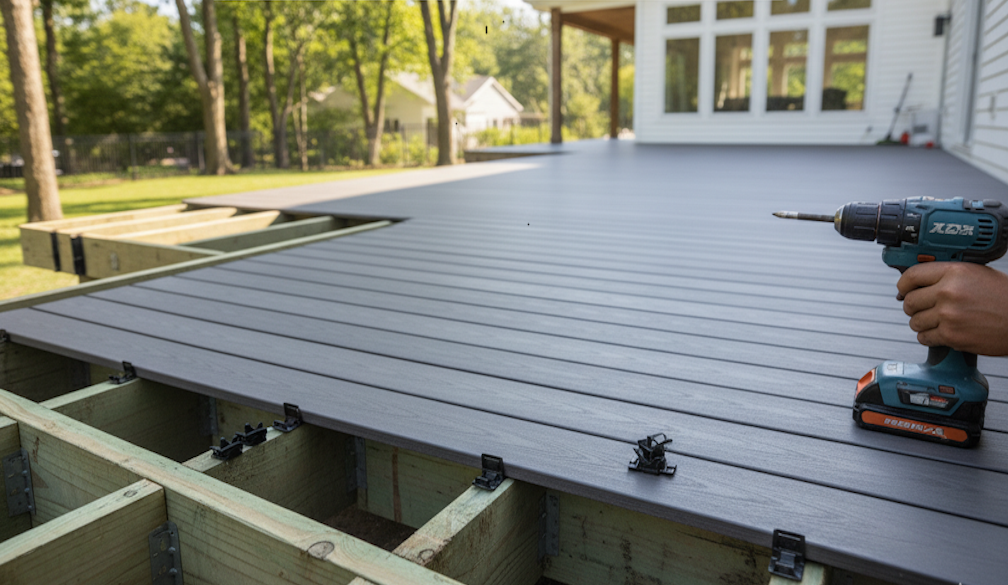
Also referred to as wood plastic composite (WPC), composite decking has become a popular choice for outdoor flooring, cladding, and entertaining areas thanks to its durability, practicality, and sustainable composition.
For homeowners living in challenging climates, this material offers a reliable solution that stands up to everyday use and extreme weather conditions. Unlike traditional timber, it requires minimal upkeep while maintaining its structural integrity and appearance over time. These benefits make it an appealing option for those seeking a long-lasting, low-maintenance outdoor surface.
As experienced providers of composite decking Sydney solutions, we encourage homeowners to gain a clear understanding of the material before committing to installation. Knowing what to expect can help ensure the final result not only looks great but also performs well for years to come.
Key Takeaways
- Composite decking boards are often manufactured using recycled materials, supporting environmentally conscious building choices.
- They are typically more robust and weather-resistant than standard timber decking options.
- They are designed to resist common issues such as moisture damage, rot, and insect activity.
- Maintenance requirements are minimal, with no need for ongoing sealing or painting.
- A wide range of colours and finishes are available, allowing flexibility in design.They perform well across different climates, making them suitable for various outdoor environments.
1) Quality Can Vary Between Products
Not all composite decking products offer the same level of performance. Lower-quality options may lack proper UV protection or structural strength, which can lead to premature wear. Higher-grade products, on the other hand, are designed to maintain their appearance and durability for decades.
Working with a reputable Australian composite decking supplier, reviewing specifications, and considering product warranties can help ensure you select a reliable option.
2) Can Be Recycled at End of Life
Composite decking continues to offer environmental benefits even after its initial use. Many products can be processed and reused to create new materials, reducing landfill waste. This recycling process involves breaking down the boards, removing contaminants, and reforming them into new composite products.
However, not all materials are recyclable, so it is worth confirming this feature before purchasing.
3) Made Using Recycled Materials
One of the major advantages of composite decking is its sustainable composition. Many products are created using recycled plastics combined with reclaimed wood fibres, forming a strong and stable material. Plastics such as polyethylene and polypropylene contribute to moisture resistance, while wood fibres enhance strength and provide a natural-looking finish.
Choosing products with a higher percentage of recycled content can help reduce environmental impact while still delivering a durable outdoor surface.
4) Outdoor Cooking Requires Careful Planning
Installing a BBQ or outdoor kitchen on composite decking is possible, but it should be approached with caution. Heat-resistant surfaces or protective barriers are recommended to prevent damage. Adequate ventilation and adherence to safety standards are also essential for safe use.
Investing in higher-quality, heat-resistant materials can provide additional peace of mind.
5) Designed to Manage Heat Exposure
A common concern is that composite decking becomes too hot under direct sunlight. In reality, modern materials are engineered to reduce heat absorption and reflect UV exposure. Lighter-coloured boards and Pioneer composite decking tend to remain cooler than darker shades, making colour selection an important consideration.
Adding shade structures such as pergolas or umbrellas can further improve comfort during warmer months.
6) Surface Wear Can Occur Over Time
Although composite decking is designed for durability, surface wear such as scratches or scuffs can develop with heavy use. Proper care, including gentle cleaning and avoiding abrasive tools, can help preserve its appearance.
Simple measures like using protective pads under furniture and choosing boards with scratch-resistant finishes can extend the life of the surface.
Frequently Asked Questions
What is composite decking made from?
Composite decking is generally produced using a blend of recycled wood fibres and plastic. These materials are combined to form durable boards designed for outdoor environments.
The finished product delivers the look of natural timber while benefiting from the strength and resilience of synthetic components. This combination helps protect against common problems such as moisture damage and pests, making it a reliable choice for outdoor areas.
How does composite decking compare to timber?
There are clear differences between composite decking and timber in both upkeep and performance. Timber has a natural appearance but typically requires ongoing maintenance such as staining and sealing.
Composite decking, on the other hand, is built to minimise maintenance and offers greater resistance to issues like rot, splintering, and insect damage. This makes it a practical option for those wanting a longer-lasting surface with less ongoing effort.
Is composite decking durable?
Composite decking is designed to handle outdoor conditions and maintain its performance over time. It resists moisture, fading, and general wear, helping it retain both its structure and appearance.
This makes it well suited to areas exposed to sun, rain, and regular use. While no material is completely wear-proof, composite decking is made to perform consistently in outdoor settings.
Does composite decking require maintenance?
Compared to traditional timber, composite decking requires very little maintenance. It does not need regular sealing, staining, or painting.
Routine care is usually limited to occasional cleaning to remove dirt and debris, making it a simple option for maintaining a clean and tidy outdoor space.
Is composite decking environmentally friendly?
Composite decking is often considered a more sustainable choice because it typically incorporates recycled materials.
By reusing wood fibres and plastics, it reduces reliance on new resources and helps limit waste. Its long lifespan also supports sustainability by reducing the need for frequent replacement.


 Business Daily Media