Why Diamond Cutting Equipment Is Essential for Precision in Construction and Manufacturing
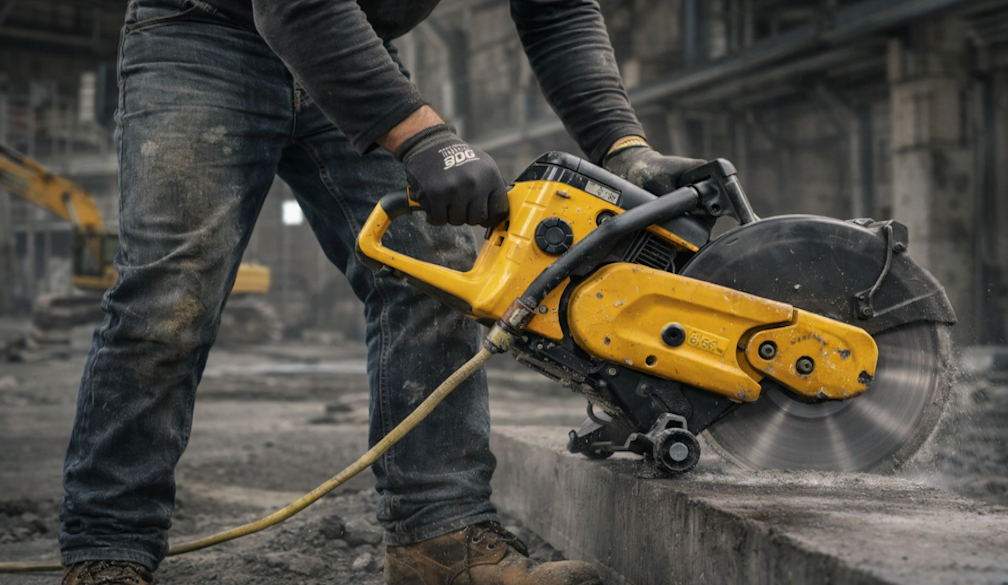
Modern construction and industrial work rely heavily on precision tools that can handle strong and durable materials. Whether cutting concrete, stone, asphalt, or reinforced surfaces, specialised machinery is required to ensure accurate results and efficient operations. One of the most important solutions used in these industries is diamond cutting equipment, which is specifically designed to deliver powerful and precise cutting performance.
Professionals in construction and engineering also depend on diamond cutting machinery to perform tasks that require high levels of accuracy and durability. These machines allow operators to cut through extremely hard materials while maintaining clean edges and consistent results.
Understanding the Technology Behind Diamond Cutting
Diamond cutting tools are unique because they use industrial-grade diamonds embedded into blades or cutting surfaces. Diamonds are one of the hardest natural materials on earth, which makes them ideal for cutting through dense construction materials such as concrete and granite.
When these tools rotate at high speed, the diamond segments grind through surfaces rather than slicing them in the traditional sense. This grinding process allows for smoother and more controlled cuts, especially when dealing with tough materials.
The durability of diamond segments also ensures that the tools remain effective for extended periods, reducing the need for frequent replacements.
Why Precision Matters in Construction Projects
In construction, precision cutting is essential for maintaining structural integrity and achieving professional results. Contractors often need to create openings for plumbing, electrical systems, or structural modifications.
Diamond cutting equipment allows workers to create accurate cuts without causing unnecessary damage to surrounding materials. This precision is particularly important when working on structural concrete or reinforced surfaces.
Accurate cutting reduces the need for additional repairs and ensures that construction projects remain on schedule.
Applications in Different Construction Environments
Diamond cutting technology is used across many types of construction and engineering projects. One common application is concrete cutting perth, where contractors use diamond blades to cut through floors, walls, and pavements.
Road construction projects also rely on diamond cutting tools to remove sections of asphalt or concrete during repairs and upgrades. These tools provide clean cuts that make it easier to replace damaged surfaces.
In addition, demolition contractors use diamond cutting machinery to dismantle structures safely and efficiently. Controlled cutting helps minimise vibrations and reduces the risk of structural damage to surrounding areas.
Improving Efficiency on Job Sites
Construction projects often operate under tight deadlines, which makes efficiency a priority. Diamond cutting equipment allows contractors to complete cutting tasks quickly without compromising quality.
Because these tools are designed to handle tough materials, they require less effort and time compared to conventional cutting methods. Workers can achieve accurate results with fewer passes, reducing overall labour time.
Faster cutting also helps keep construction schedules on track and reduces project costs associated with delays.
Minimising Damage and Vibrations
Traditional cutting methods sometimes produce excessive vibrations that can weaken surrounding structures. This is particularly problematic when working on buildings that require careful modifications.
Diamond cutting tools are designed to produce controlled and precise cuts with minimal vibration. This makes them ideal for projects that require delicate handling, such as structural renovations or modifications in occupied buildings.
Reduced vibration also contributes to improved safety for workers and equipment on the job site.
Enhancing Safety in Construction Operations
Safety is a major concern in construction environments, especially when heavy machinery and powerful tools are involved. Diamond cutting equipment is designed with safety features that help operators maintain control during cutting operations.
Modern machinery often includes protective guards, cooling systems, and ergonomic designs that improve operator comfort and safety. Water cooling systems are commonly used to reduce heat and dust during cutting processes.
These features help protect workers from hazards while maintaining efficient cutting performance.
Supporting Industrial Manufacturing Processes
Beyond construction, diamond cutting technology is widely used in manufacturing industries. Factories that produce stone products, tiles, and engineered materials rely on diamond cutting machinery for precise shaping and finishing.
Manufacturers also use these tools to cut metal components or specialised materials used in industrial applications. Precision cutting ensures that parts meet exact specifications required for assembly or installation.
By maintaining consistent accuracy, diamond cutting tools support high-quality manufacturing standards.
Long-Term Cost Benefits
Although diamond cutting equipment may require a higher initial investment, its durability and efficiency provide long-term cost advantages. Diamond blades last longer than many traditional cutting tools, which reduces replacement costs over time.
The efficiency of these tools also reduces labour hours required for cutting tasks. Faster completion of work leads to lower operational costs and improved productivity.
For contractors and manufacturers, investing in reliable cutting equipment ultimately supports better financial performance.
Conclusion
Diamond cutting technology has become an essential part of modern construction and manufacturing. Its ability to cut through extremely hard materials with precision and efficiency makes it invaluable for a wide range of applications.
From road construction and structural modifications to industrial manufacturing, diamond cutting equipment provides reliable performance that improves productivity and safety. With advanced machinery and durable cutting tools, industries can achieve precise results while maintaining high-quality standards in their projects.


 Business Daily Media