The Hidden Dangers of Neglecting Termite Prevention
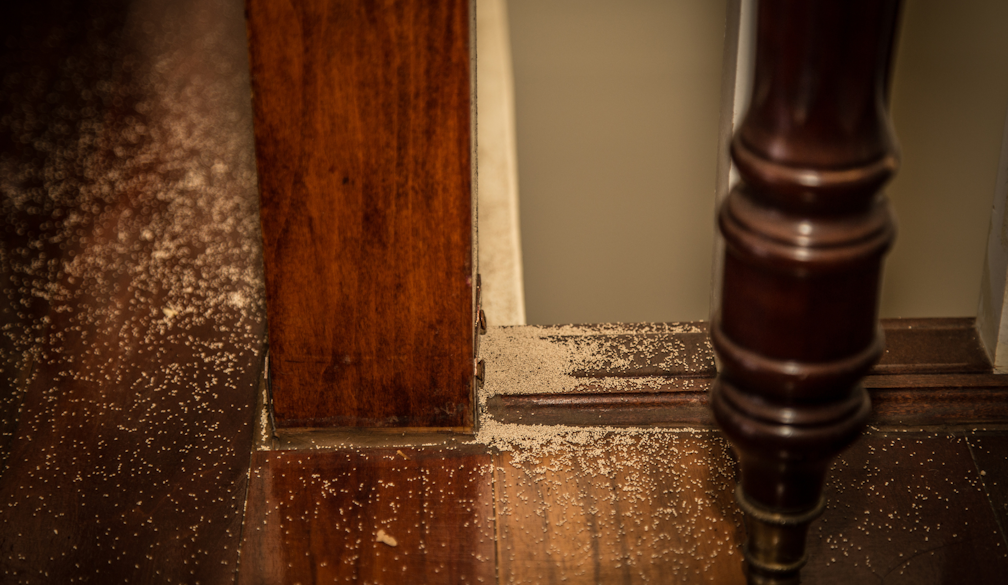
Termites are easy to ignore until the damage is already done. Many homeowners assume termite problems can be dealt with later or believe their property is not at risk. Unfortunately, termites do not wait for a convenient moment. By the time signs of an infestation become obvious, the financial and structural consequences can be severe.
If you are questioning whether termite prevention is worth the investment, it helps to understand what is truly at stake when protection is delayed or overlooked.
Why Termites Are So Dangerous to Homes
Termites are often referred to as silent destroyers for good reason. They consume timber from the inside, meaning damage can progress unnoticed for months or even years. Walls, floors, and structural supports may appear intact on the surface while serious deterioration occurs underneath.
Many homeowners only become aware of a termite issue once visible damage appears or repairs are required. By that stage, the infestation is usually well established.
Industry data from Australian pest management bodies shows termites cause more than one billion dollars in property damage across Australia each year. The longer termites remain undetected, the more extensive and expensive the repairs become.
The Financial Impact of Termite Damage
The cost of termite damage goes far beyond a single treatment bill. Left unchecked, termites can affect multiple aspects of your home and finances.
Structural Repair Expenses
When termites damage load-bearing elements such as framing, floor joists, or support beams, repair costs can escalate quickly. In serious cases, large sections of walls, ceilings, or flooring may need to be replaced entirely, resulting in repair bills that run into the tens of thousands.
Reduced Property Value
A home with a history of termite damage is often less appealing to buyers. Even when repairs have been completed, buyers may view the property as higher risk and negotiate a lower sale price. This can significantly affect resale value and limit buyer interest.
Ongoing Treatment Costs
Ignoring termites rarely leads to a one-off problem. Without proper prevention, termites can return repeatedly, resulting in ongoing treatment expenses year after year. Over time, these repeated costs can exceed what preventative protection would have cost initially.
Secondary and Hidden Damage
Termite activity can also impact insulation, electrical wiring, and plumbing systems. These secondary issues are not always immediately obvious and often require additional repairs, further increasing the overall cost burden.
Why Prevention Is a Smarter Financial Decision
Although termite prevention involves an upfront cost, it is often far more economical than dealing with an active infestation. Preventative measures are designed to protect your home long before serious damage occurs.
Early Detection Reduces Repair Costs
Regular termite inspections allow professionals to identify activity early, when treatment is simpler and damage is minimal. Addressing termites at an early stage can save thousands in repair expenses and prevent structural compromise.
Ongoing Protection for Peace of Mind
Professional termite prevention systems are designed to provide long-term protection. With the right barriers, treatments, and monitoring in place, the risk of reinfestation is significantly reduced.
Safeguarding Your Home’s Value
A property that has been consistently monitored and protected against termites is far more attractive to future buyers. Documented termite prevention can help preserve your home’s value and demonstrate responsible property care.
How Professional Termite Prevention Helps
The focus should always be on proactive protection rather than reactive repairs. This should include comprehensive inspections, modern treatment methods, and ongoing monitoring to ensure termites never compromise the integrity of your home.
By addressing termite risks early, homeowners can avoid the stress, disruption, and expense associated with major structural damage.


 Business Daily Media