How Decking Colour Differences Add Character to Outdoor Areas
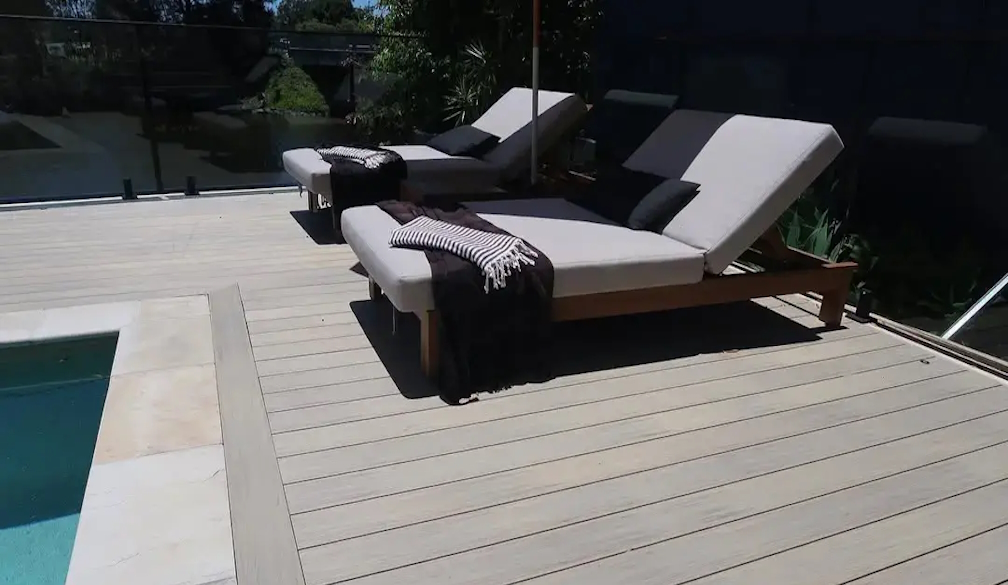
Composite decking has become a preferred choice for many Australian homeowners, and for good reason. Its durability, strong visual appeal, low maintenance requirements, and long-term value make it an attractive alternative to traditional timber decking.
Unlike natural timber, which requires regular sanding, staining, sealing, and repainting, wood–plastic composite decking significantly reduces ongoing upkeep. This allows homeowners to enjoy a refined outdoor feature without the constant maintenance demands.
Composite decking is made with natural wood fibres that strengthen the boards and replicate the look of real timber. However, because these fibres are organic, colour changes can occur over time when boards are exposed to moisture, prolonged rainfall, or strong UV exposure.
This process is completely normal. Understanding how colour variation occurs is key to appreciating composite decking and making confident design choices for your outdoor space.
Why Colour Variation Is a Natural Feature of Composite Decking
Colour variation in composite decking is not a defect. It is a natural result of the materials used, particularly recycled hardwood fibres, lignin, and moisture content. Knowing what causes these changes helps homeowners manage expectations and plan their outdoor aesthetic more effectively.
Experienced manufacturers anticipate colour shifts and often apply deeper or richer tones during production. These initial colours allow the boards to settle into a more consistent shade as they weather over time.
It is important to recognise that the colour you see immediately after installation may not be the final shade once the decking has been exposed to outdoor conditions for an extended period.
The Main Causes of Colour Changes in Composite Decking
Sun Exposure and UV Radiation
Sunlight is one of the biggest contributors to colour variation in composite decking. Prolonged exposure to UV radiation can cause pigment fading, particularly during the early stages after installation.
To counter this, reputable manufacturers pre-load boards with deeper pigments so the colour stabilises as the material weathers. Colour changes are typically more noticeable in uncapped composite boards, which lack a protective outer layer and are more exposed to UV rays.
Capped composite decking includes a protective surface layer that significantly improves resistance to fading. This added protection helps maintain a more uniform appearance over time.
Tannin Leaching From Wood Fibres
Tannins are naturally occurring compounds found in wood fibres. When composite decking is exposed to moisture for extended periods, tannins can migrate to the surface, creating darker marks or streaks.
This process is more common in boards with a higher concentration of hardwood fibres. While tannin leaching can affect appearance temporarily, it usually resolves once the decking has fully weathered or after regular cleaning and natural rainfall.
Manufacturing Variations
Even in controlled production environments, factors such as humidity and temperature can lead to subtle colour differences between manufacturing batches.
Purchasing boards from the same production run helps reduce visible variation, though small discrepancies can still occur due to manufacturing tolerances. An experienced decking supplier can assist with board selection and layout to achieve the most consistent visual result.
Practical Ways to Achieve a Balanced, Cohesive Look
While colour variation is expected, there are several strategies that help create a smooth, intentional finish.
Thoughtful Board Layout
Minor colour differences can be used to your advantage during installation. Arranging boards in a deliberate sequence helps distribute tones evenly and creates a cohesive appearance.
For homeowners seeking a more natural or rustic look, subtle variation adds depth and character rather than detracting from the design.
Effective layout techniques include:
- End-to-end staggering to avoid repetitive patterns
- Alternating grain textures to enhance visual interest
- Maintaining consistent spacing and alignment for a clean finish
The initial layout plays a major role in the final appearance, so professional guidance during installation can make a significant difference.
Strategic Deck Placement
The location of your Pioneer decking influences how colour variation develops over time. Areas with consistent shade tend to experience slower fading, while fully exposed sections may weather more quickly.
Placing furniture, rugs, or planters over boards that show stronger colour differences can also help balance the overall look and encourage more uniform ageing.
Routine Cleaning for Even Weathering
Cleaning does not stop colour change, but it does promote even weathering across the surface.
Composite decking requires far less maintenance than timber, but regular sweeping and gentle washing with warm water and mild detergent help prevent dirt buildup and uneven discolouration. Occasional use of a composite decking cleaner or surface reviver can refresh the appearance and reduce staining caused by moisture or debris.
Neglecting cleaning altogether can result in patchy weathering and inconsistent tones over time.
Does Colour Variation Affect Other Composite Products?
Yes, colour changes can also occur in other composite fixtures such as fencing, wall cladding, and slatted screens. These products share similar material compositions and are exposed to the same environmental conditions.
Slatted panels may show variation where sunlight reaches exposed edges, while fencing in shaded areas can weather unevenly due to moisture and leaf debris. Composite cladding on sun-facing walls often fades faster than cladding installed in sheltered locations.
Choosing capped composite products for these applications helps reduce fading and improves long-term colour consistency across all outdoor features.
Conclusion
Colour changes are a natural part of Sydney composite decking that contains real wood fibres. Sun exposure, tannin leaching, and manufacturing factors all contribute to gradual variation over time.
By planning board layout carefully, positioning decking strategically, maintaining consistent spacing, and cleaning regularly, homeowners can achieve a refined, cohesive finish that ages gracefully.
When managed thoughtfully, composite decking colour variation enhances visual depth, supports long-term durability, and delivers strong aesthetic and financial value for outdoor living spaces.


 Business Daily Media