Security Fencing Solutions for Commercial Sites: Protecting Assets With Confidence
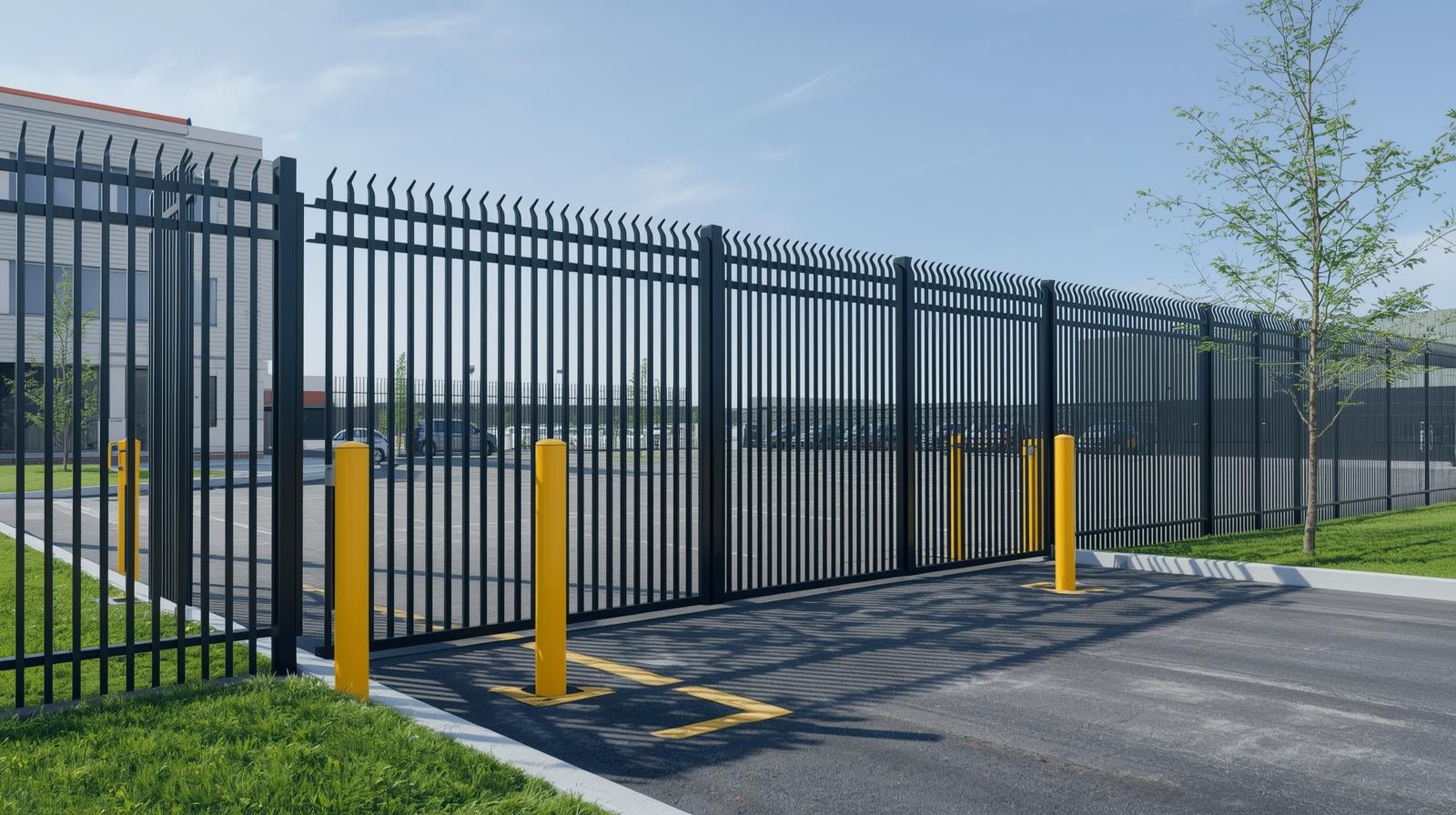
Reliable security fencing is a critical requirement for commercial properties that need clear boundaries, controlled access, and dependable protection. In environments where safety, asset security, and compliance are essential, security fencing provides a constant physical presence that supports daily operations and long-term risk management. It is not simply a perimeter feature but a foundational element of a site’s overall security framework.
Commercial properties face unique challenges. High foot traffic, valuable equipment, and operational activity all increase exposure to risk. Professionally designed security fencing addresses these challenges by creating defined perimeters that reduce unauthorised access and improve site control without disrupting workflow.
The Role of Security Fencing in Commercial Environments
Security fencing plays a central role in shaping how a commercial site functions. It establishes clear boundaries that separate public areas from restricted zones, helping manage movement and reduce confusion. This clarity supports both safety and efficiency, particularly in busy or complex environments.
For businesses, fencing also sends a clear message. A secure, well-maintained perimeter signals that access is monitored and controlled. This visual deterrent alone can significantly reduce opportunistic trespass or theft, making fencing a proactive security measure rather than a reactive one.
Supporting Asset Protection and Business Continuity
Commercial sites often house valuable assets such as machinery, stock, or sensitive infrastructure. Security fencing provides a first line of defence that protects these assets around the clock. By limiting access points and guiding movement, fencing reduces the likelihood of unauthorised entry and potential loss.
This protection supports business continuity. Disruptions caused by theft, vandalism, or unauthorised access can impact operations, staff safety, and reputation. Effective fencing reduces these risks, helping businesses operate with greater confidence and stability.
Design Considerations That Improve Security Performance
The effectiveness of security fencing depends heavily on design. Height, visibility, and layout all influence how well a fence performs its protective role. Fencing that balances visibility with strength allows for natural surveillance while preventing easy access.
Clear sightlines are particularly important in commercial settings. They allow staff and monitoring systems to observe activity along the perimeter, reducing blind spots. Combined with secure fixings and anti-climb features, thoughtful design strengthens overall security outcomes.
Integration With Gates and Access Systems
Security fencing is most effective when integrated with controlled entry points. Gates, access control systems, and monitoring technology all rely on fencing to direct movement through designated areas. This integration ensures access is managed consistently rather than scattered across the site.
By limiting entry to specific locations, businesses gain better control over who enters and exits. This approach improves accountability and supports safety protocols, especially in environments with staff, visitors, and deliveries.
Durability for High-Use Commercial Sites
Commercial fencing must withstand frequent use and environmental exposure. Weather conditions, vehicle movement, and daily activity place constant stress on fencing systems. Durability is therefore a key consideration in material selection and installation.
Professional security fencing solutions prioritise long-term performance. Correct anchoring, quality components, and appropriate materials ensure fencing maintains integrity over time. This durability reduces maintenance needs and avoids premature replacement.
Compliance and Safety Responsibilities
Many commercial sites are subject to regulations related to safety, access control, and risk management. Security fencing often plays a role in meeting these obligations by controlling access to hazardous or restricted areas.
Professional installation ensures fencing meets relevant standards and guidelines. Compliance not only reduces legal risk but also demonstrates responsible site management, which is important for businesses operating in regulated industries.
Balancing Security With Professional Appearance
While security is the primary function, appearance also matters in commercial environments. Fencing should complement the site rather than creating an unwelcoming or industrial feel where it is not appropriate.
Modern security fencing solutions are designed to look clean and professional while maintaining strength. This balance supports brand image and ensures the site remains approachable to clients, staff, and visitors without compromising protection.
Reducing Workplace Risk Through Clear Boundaries
Security fencing contributes to workplace safety by clearly defining where people can and cannot go. This is especially important in environments with machinery, vehicle movement, or restricted operational zones.
By guiding movement and separating areas effectively, fencing reduces the risk of accidents and unauthorised access to dangerous spaces. This preventative role supports broader health and safety strategies.
Custom Security Fencing for Different Commercial Needs
Every commercial site has unique requirements. Factors such as layout, terrain, and usage patterns all influence fencing design. Customised security fencing solutions ensure the system fits the site accurately and performs as intended.
Professional assessment allows fencing to be adapted to slopes, irregular boundaries, or complex access points. This tailored approach delivers better results than one-size-fits-all solutions.
Installation Quality and Long-Term Reliability
The strength of security fencing relies not only on materials but also on installation quality. Incorrect spacing, weak foundations, or poor alignment can undermine performance.
Experienced installers ensure fencing systems are constructed correctly from the start. This attention to detail supports reliability and ensures the fence performs its protective role consistently over time.
Maintenance and Ongoing Performance
Although designed for durability, security fencing benefits from routine inspection. Identifying minor issues early prevents them from becoming larger problems that compromise security.
Professional providers can advise on maintenance practices that extend fence lifespan and preserve appearance. This proactive approach protects the initial investment and ensures ongoing reliability.
Choosing the Right Security Fencing Solution
Selecting suitable security fencing requires understanding both current risks and future needs. Professional guidance helps businesses choose fencing that aligns with operational requirements, compliance obligations, and long-term objectives.
Clear planning and communication during the selection process ensure expectations are met and outcomes are effective. This structured approach leads to stronger security and greater confidence in site protection.
Final Thoughts
Security fencing is an essential component of effective commercial site protection. By defining boundaries, controlling access, and deterring unauthorised entry, it supports safety, asset protection, and operational continuity. Professionally designed and installed security fencing delivers long-term value by reducing risk and reinforcing confidence that commercial properties are protected at all times.


 Business Daily Media