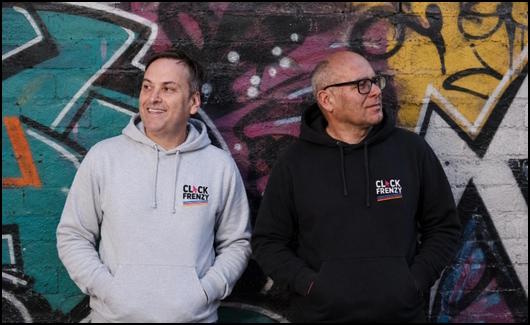
Sri Lanka’s Floods Are a Humanitarian Crisis, but Recovery Will Be an Economic Test, Says Australian Investor Arj Samarakoon
Sri Lanka’s recent floods have drawn widespread attention for the humanitarian devastation they have caused, but the longer term economic consequences may prove equally challenging. Beyond the immediate displacement of families and damage to homes, the floods have disrupted local economies, stalled small businesses, and placed additional strain on an already fragile recovery.
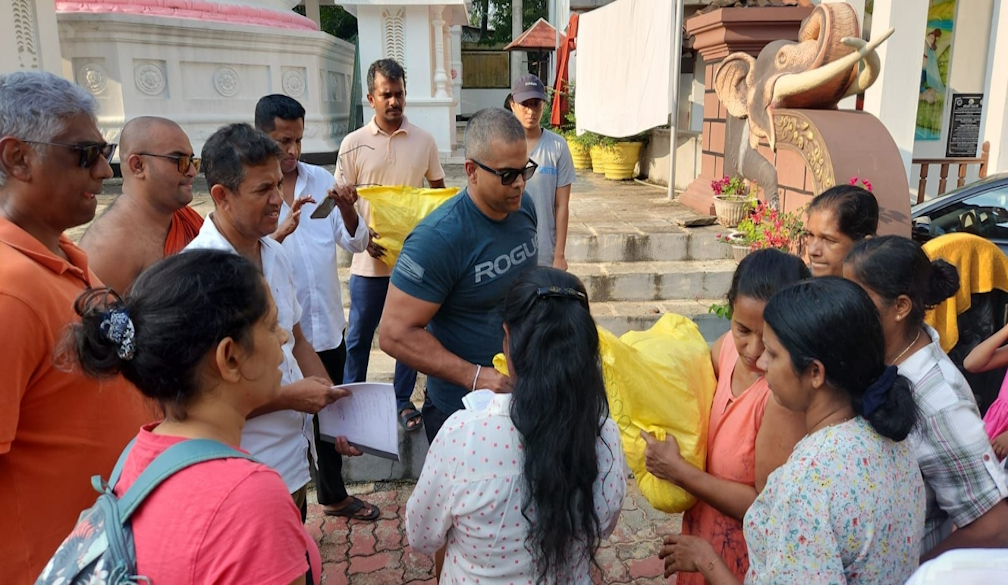
Australian investor Arjuna Nayanka Samarakoon, also known as Arj Samarakoon, has been on the ground in affected areas in recent days, with his teams supporting relief coordination, helping assess urgent community needs, and working alongside local volunteers as conditions continue to evolve. He says the crisis highlights the thin line between humanitarian relief and long term economic displacement.
Flood affected communities and relief efforts in Sri Lanka
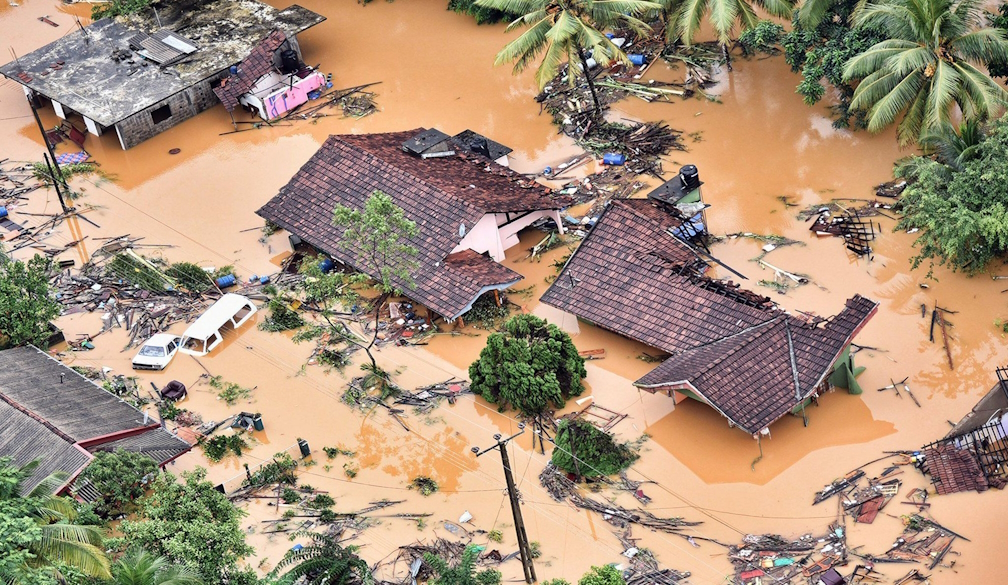
“When flooding reaches this scale, daily income earners lose work overnight, small enterprises are forced to shut their doors, and agricultural communities face losses that can take seasons to recover from,” Samarakoon said. “Relief is essential, but what follows will determine whether communities stabilise or fall further behind.”
The floods have affected both rural and semi urban districts, disrupting transport routes, supply chains, and access to essential services. For small and medium sized enterprises, many of which operate with limited buffers, even short interruptions can have lasting consequences. Crop damage and logistics delays are also expected to feed through into higher costs and reduced output in the months ahead.
Samarakoon, who was born in Sri Lanka and maintains close ties with affected communities, has also been actively involved in coordinating charitable support through community networks, ensuring displaced families receive immediate assistance while longer term recovery discussions take shape. He notes that timely humanitarian action plays a critical role in preventing short term hardship from becoming permanent economic exclusion.
“Community led relief efforts give people breathing space during the most critical phase,” he said. “That support helps keep families connected to their livelihoods while broader recovery planning begins.”
Australia has longstanding economic and people to people ties with Sri Lanka, and analysts note that Australian based expertise and diaspora networks are often well positioned to contribute during recovery phases. Beyond donations, this can include technical support, targeted assistance for small businesses, and guidance on rebuilding more resilient local infrastructure.
A detailed humanitarian field report from flood affected communities was published earlier this week in Independent Australia, documenting the scale of displacement and the pressures facing local response systems. That on the ground account underscores the urgency of linking emergency relief with structured economic recovery.
Looking ahead, Samarakoon argues that the recovery phase will be as important as the initial response. He points to the need for climate resilient rebuilding, improved drainage and urban planning, and mechanisms that allow affected businesses to restart quickly.
“Charity addresses the immediate human need,” he said. “Recovery planning decides whether local economies regain momentum or suffer long term damage. The challenge now is ensuring relief transitions into resilience.”
As floodwaters begin to recede in some regions, Sri Lanka faces a narrow window to stabilise communities and protect livelihoods. The decisions taken in the coming weeks will shape not only humanitarian outcomes, but also the durability of the country’s economic recovery.


 Business Daily Media