Maximising Warehouse Efficiency with Pallet Racking Systems
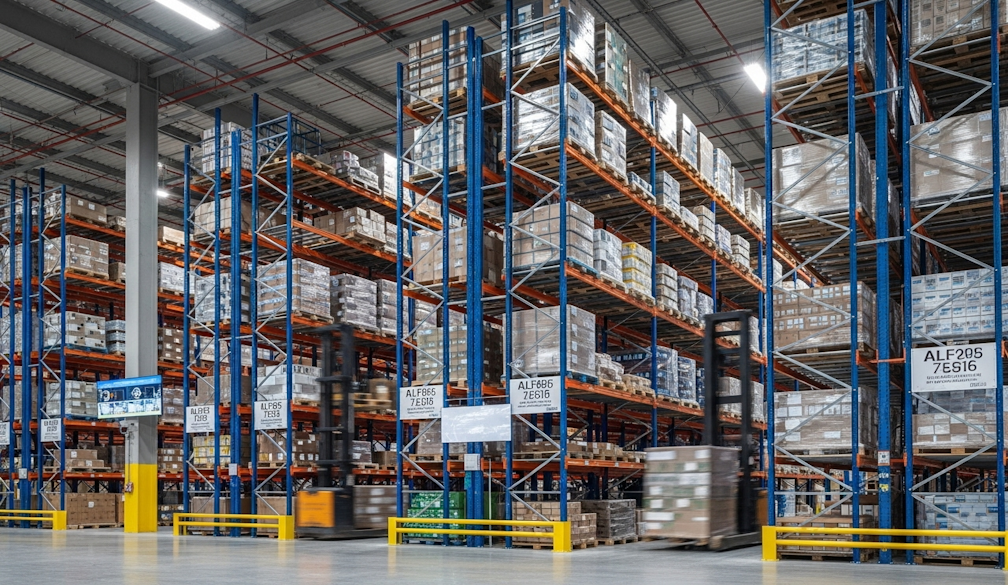
In today’s competitive logistics and manufacturing industries, warehouse efficiency is key to business success. Every square metre counts, and how you use that space can make a significant difference to productivity, safety, and profitability. One of the most effective ways to optimise warehouse operations is through the use of pallet racking systems.
These systems not only maximise available space but also improve organisation, accessibility, and workflow creating a safer, more productive environment for both staff and inventory management.
The Importance of Efficient Storage Design
A well-organised warehouse is essential for smooth day-to-day operations. Poor storage layout can lead to wasted space, longer retrieval times, and increased risk of workplace accidents. Pallet racking provides a structured, scalable solution that helps businesses make the most of their vertical and horizontal space.
Rather than spreading inventory across large floor areas, pallet racking allows products to be stacked safely at height, freeing up valuable room for movement and operational activities such as packing and dispatch.
How Pallet Racking Systems Improve Efficiency
- Maximising Vertical Space
Most warehouses have plenty of unused vertical space. Pallet racking takes advantage of this by enabling goods to be stored several levels high. This vertical storage capacity allows businesses to handle higher inventory volumes without needing to expand or relocate an especially valuable benefit when floor space is limited or costly. - Enhanced Organisation and Accessibility
Pallet racking systems create a structured layout that makes it easy to identify and access stock. With clearly designated storage locations, staff spend less time searching for items and more time on productive tasks. Labelling and barcode systems can be integrated for even faster inventory tracking.
This organisation not only improves efficiency but also supports better stock control, reducing the likelihood of misplaced or damaged goods. - Streamlined Material Handling
Pallet racking systems are designed to work seamlessly with forklifts and other material handling equipment. A well-planned layout ensures that aisles are wide enough for safe navigation and that racks are spaced appropriately for efficient loading and unloading.
Faster handling times mean quicker order fulfilment and improved throughput both of which contribute to better customer satisfaction and operational performance. - Safety and Stability
Safety is a major factor in any warehouse environment. Pallet racking systems provide strong, stable structures that meet strict safety standards. They help prevent accidents caused by improper stacking or overloading, offering secure support for heavy pallets.
With the right installation, maintenance, and staff training, pallet racking can significantly reduce workplace hazards and promote a safer working environment. - Customisable and Scalable Solutions
No two warehouses are the same, which is why customisation is so important. Pallet racking systems are available in various configurations, including selective, drive-in, push-back, and cantilever racking.
Selective racking provides direct access to every pallet, making it ideal for warehouses with diverse product ranges. Drive-in and push-back systems maximise space efficiency by allowing multiple pallets to be stored in depth. Cantilever racking, on the other hand, is perfect for long or irregularly shaped items such as timber or pipes.
The flexibility to adapt these systems means businesses can easily scale up or reconfigure their layout as inventory levels change.
Reducing Costs Through Efficiency
Improving warehouse efficiency isn’t just about saving time, it's also about reducing costs. By optimising space and improving workflow, pallet racking systems can help businesses lower operational expenses in several ways:
- Reduced storage costs: Making better use of existing space avoids the expense of leasing or expanding into new facilities.
- Lower labour costs: Efficient layouts shorten retrieval times, allowing staff to work more effectively.
- Decreased product damage: Properly supported storage reduces the risk of goods being crushed or dropped.
These savings contribute directly to higher profitability and better long-term sustainability.
Supporting Modern Warehouse Technology
As technology continues to transform the logistics industry, pallet racking systems are evolving to integrate with automated storage and retrieval systems (ASRS), robotics, and warehouse management software.
These integrations further enhance efficiency by enabling real-time inventory monitoring, automated picking, and data-driven decision-making. The combination of strong physical infrastructure and smart technology sets the stage for a future-ready warehouse.
Final Thoughts
Efficiency is at the heart of every successful warehouse, and effective storage solutions are the foundation of that efficiency. By investing in quality pallet racking systems, businesses can maximise their space, streamline operations, and create safer, more productive working environments.
Whether for small operations or large-scale distribution centres, pallet racking offers a flexible, scalable way to enhance performance and support growth proving that smart storage is one of the best investments a business can make.


 Business Daily Media