Packaging Boxes: The Backbone of Safe and Efficient Shipping
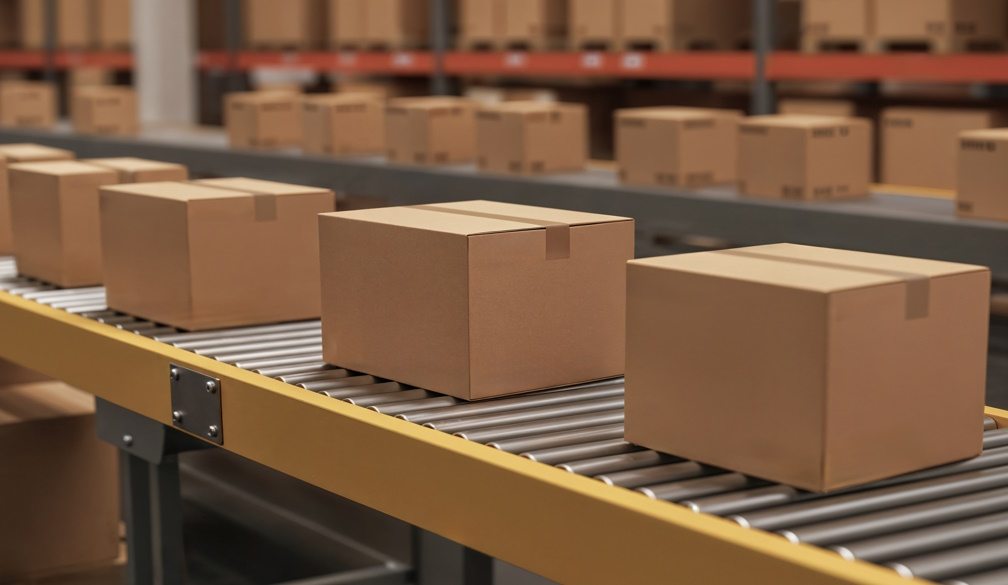
In today’s fast-paced world of commerce and logistics, packaging boxes play a crucial role in ensuring that products reach their destinations safely and intact. Whether you are a business owner shipping goods or an individual preparing for a move, understanding the importance, types, and best practices for packaging boxes can make a significant difference in the protection and presentation of your items.
What Are Packaging Boxes?
Packaging boxes are containers designed to hold, protect, and transport products from one place to another. They can be made from a variety of materials, but cardboard remains the most common due to its versatility, strength, and cost-effectiveness. These boxes serve not only as a protective shell but also as a marketing tool that reflects brand identity.
The Importance of Packaging Boxes
The primary function of packaging boxes is to safeguard items from damage during handling, transit, and storage. The right box protects against physical impacts, moisture, dust, and temperature variations. For fragile or sensitive products, the quality and design of the packaging boxes can be the difference between arriving intact or being damaged.
Moreover, packaging is an essential part of the customer experience. Well-designed boxes can enhance product appeal, convey professionalism, and foster brand loyalty. They also provide valuable information such as handling instructions, product details, and barcodes for tracking.
Types of Packaging Boxes
There is a wide array of packaging boxes tailored to different uses, industries, and product types:
Corrugated Boxes: Known for their strength and durability, these are made with fluted layers sandwiched between liners. They are ideal for shipping and storing heavy or delicate items.
Folding Cartons: Commonly used in retail packaging, folding cartons are lightweight and can be easily printed with branding and product information.
Rigid Boxes: These premium boxes offer exceptional durability and aesthetics, often used for luxury products such as electronics, jewelry, and cosmetics.
Mailer Boxes: Designed for e-commerce, mailer boxes are easy to assemble and provide secure packaging for shipping smaller items directly to consumers.
Custom Boxes: Tailored to fit specific products or brand requirements, custom packaging boxes provide unique shapes, sizes, and print designs.
Choosing the Right Packaging Boxes
Selecting the appropriate packaging boxes requires consideration of several factors. The weight and fragility of the item dictate the box strength needed. For example, heavy appliances require double or triple-wall corrugated boxes, while lightweight products may only need single-wall options.
Dimensions are also critical; boxes should be sized to fit contents snugly to prevent movement inside. Using too large a box increases shipping costs and the risk of damage, while too small a box may not provide enough protection.
Environmental conditions during transport—such as humidity, temperature, and handling—should be accounted for by choosing boxes with appropriate resistance or by adding protective liners and coatings.
Sustainability and Eco-Friendly Packaging
With increasing consumer awareness about environmental issues, many companies prioritize eco-friendly packaging boxes. Using recyclable and biodegradable materials helps reduce waste and environmental impact.
Manufacturers now offer boxes made from recycled paper, and some incorporate plant-based inks for printing. Reusable packaging is also gaining traction, especially in industries focused on reducing single-use plastics.
Choosing sustainable packaging boxes not only benefits the planet but also appeals to environmentally conscious customers.
Best Practices for Using Packaging Boxes
Proper packing techniques are as important as choosing the right box. Cushioning materials like bubble wrap, foam inserts, or paper padding should be used to protect fragile items.
Sealing boxes securely with strong packing tape ensures they remain closed during transit. Clearly labeling boxes with contents and handling instructions helps logistics teams manage packages carefully.
Stacking boxes properly during storage and shipping prevents crushing and damage. Placing heavier boxes at the bottom and lighter ones on top helps maintain stability.
The Role of Packaging Boxes in Branding
For businesses, packaging boxes offer a valuable opportunity to build brand identity. Custom printing with logos, colors, and messaging enhances customer recognition and leaves a lasting impression.
Unboxing experiences have become an important aspect of marketing, especially in e-commerce. Attractive, well-designed boxes can encourage social media sharing and repeat purchases.
Where to Source Quality Packaging Boxes
Quality is key when selecting packaging boxes. Trusted packaging suppliers offer a range of sizes, materials, and customization options to meet diverse needs.
Buying in bulk can reduce costs and ensure a consistent supply. Some suppliers also provide design services to help create branded packaging that stands out.
Conclusion
Packaging boxes are essential tools in protecting, transporting, and promoting products. Their role goes beyond mere containment; they contribute to customer satisfaction, brand image, and environmental responsibility.
By understanding the types of packaging boxes, selecting the right materials and sizes, and following best packing practices, businesses and individuals can ensure that their items arrive safely while making a positive impression.
Incorporating sustainability and investing in quality packaging will not only protect your goods but also support broader goals of reducing environmental impact and enhancing brand value. Whether you are shipping products worldwide or moving locally, the right packaging boxes are a vital part of your success.


 Business Daily Media