10 Essential Safety Precautions in an Automotive Shop
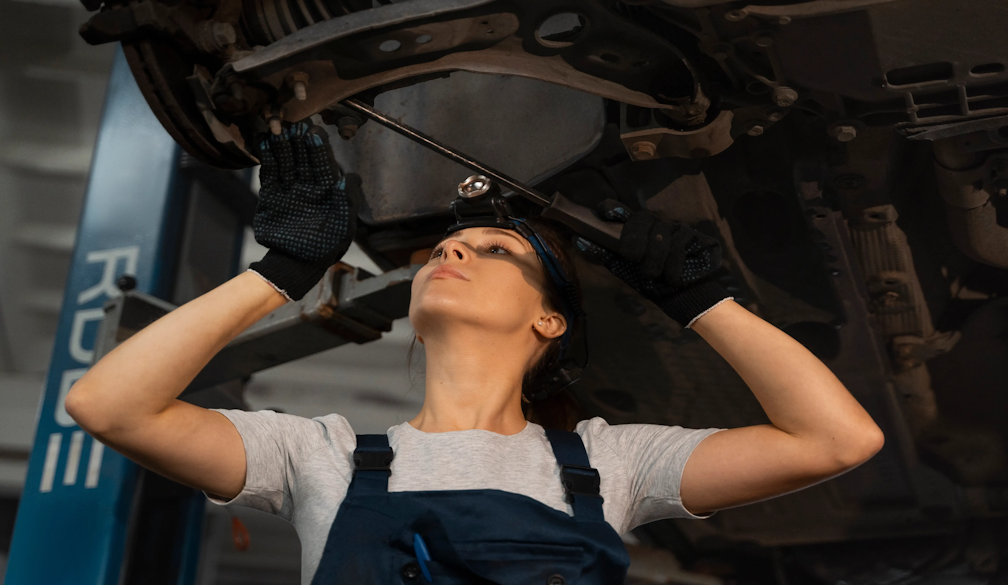
Working in an automotive shop involves heavy machinery, tools, and hazardous materials, which makes safety a top priority. It is crucial to follow the correct safety procedures to prevent accidents, injuries, and even fatalities. The following list of ten crucial safety precautions and recommendations from US government agencies will help to guarantee a secure and productive workplace in auto shops, warehouses, garages, and manufacturing plants.
1. Wear Protective Gear
Wearing the right personal protective equipment (PPE) is crucial for minimizing risks. This includes:
- Eye Protection: Use safety goggles or face shields to guard against flying debris, sparks, and chemical splashes.
- Gloves: Select appropriate safety gloves for the task, such as chemical resistant gloves for handling solvents or heavy duty gloves for lifting and mechanical work.
- Insulated Tools: Use insulated tools when working on electrical components.
- Proper Clothing: Avoid loose clothing, tie back long hair, and remove jewelry to prevent entanglement in machinery. It is also recommended to wear a flame resistant safety vest.
OSHA (Occupational Safety and Health Administration) emphasizes that employers must provide and enforce the use of PPE tailored to specific hazards.
2. Use Proper Equipment
Using the right tools for each job ensures efficiency and safety. Key practices include:
- Tool Selection: Match tools to the task at hand. Avoid makeshift tools or using equipment beyond its designed purpose.
- Positioning Floor Jacks: Always position jacks under manufacturer-recommended lifting points and ensure they’re on level ground.
- Support Vehicles: Use axle stands or jack stands to support vehicles securely. Never rely solely on a jack.
3. Keep the Work Area Clean
An organized and clean workspace reduces the risk of accidents. Follow these practices:
- Clean Spills Immediately: Oil, grease, and other fluids create slip hazards. Use absorbent materials and clean the area thoroughly.
- Organize Tools: Store tools and equipment in designated areas to prevent tripping hazards.
- Waste Disposal: Dispose of hazardous materials, such as used oil and solvents, following EPA guidelines.
4. Avoid Hazards
- Be vigilant about your surroundings to prevent accidents from machinery and heat sources.
- Moving Machinery: Stay clear of moving belts, pulleys, and rotating parts.
- Hot Surfaces: Avoid touching hot engine parts, exhaust pipes, or welding equipment without proper tools.
- Electrical Components: When performing maintenance on electrical components, de-energize circuits and follow lockout/tagout protocols.
5. Inspect Equipment Regularly
- Regular equipment inspections prevent malfunctions and accidents. Steps include:
- Regular Check: Test equipment, lifts, and tools for wear and tear.
- Maintenance Logs: Keep detailed records of inspections and repairs.
- Manufacturer’s Guidelines: Follow manufacturer recommendations for service intervals.
OSHA mandates periodic inspection of certain equipment, including vehicle lifts, to ensure compliance with safety standards.
6. Be Aware of Chemicals
- Automotive shops often use chemicals that pose health risks. Mitigate exposure by:
- Using Safety Data Sheets (SDS): Familiarize yourself with SDS for information on the safe handling and storage of chemicals.
- Proper ventilation: ensure the shop has adequate ventilation to prevent the buildup of toxic fumes.
- Safety Glasses: Always wear safety glasses when handling solvents, degreasers, or other hazardous chemicals.
7. Watch Out for Sparks
Sparks from cutting, welding, and grinding operations can cause burns or fire hazards. Key precautions include:
- Spark Barriers: Use spark shields to contain flying sparks.
- Fire Extinguishers: Make sure staff members are trained and keep fire extinguishers close at hand.
- PPE: Wear flame-resistant clothing and gloves when performing tasks that generate sparks.
8. Prevent Slips and Falls
Slips and falls are among the most common shop injuries. To avoid them:
- Clear Walkways: Keep pathways free from tools, cords, and clutter.
- Non-Slip Mats: Use anti-slip mats in areas prone to spills.
- Spill Management: Clean up liquids immediately and mark wet areas.
9. Cut Down on Physical Stressors
Automotive work often involves awkward positions and heavy lifting. Protect yourself by:
- Using Lifting Aids: Use dollies, hoists, or other mechanical aids to lift heavy objects.
- Ergonomics: Arrange tools and equipment to minimize bending or reaching.
- Stretching Exercises: Incorporate stretching to reduce muscle strain.
10. Be Aware of Fire Hazards
Fire safety is critical in environments with flammable materials. Best practices include:
- No Smoking Policy: Prohibit smoking in or near the shop.
- Proper Storage: Store flammable liquids in approved containers and cabinets.
- Equipment Safety: Turn off machinery and disconnect power sources when not in use.
The National Fire Protection Association (NFPA) provides guidelines for handling flammable materials and fire prevention in automotive shops.
The U.S. Department of Labor’s OSHA and the Environmental Protection Agency (EPA) provide comprehensive safety standards for automotive shops:
- OSHA Standards: Employers must comply with regulations for hazard communication, machine guarding, electrical safety, and personal protective equipment.
- EPA Guidelines: Follow protocols for disposing of hazardous waste, managing air emissions, and preventing water contamination.
- Emergency preparedness: Ensure employees are trained in first aid, fire drills, and evacuation procedures.
A safe automotive shop is an efficient one. By implementing these ten safety precautions and adhering to government standards, you can create a secure work environment for employees and customers. Safety is a shared responsibility—stay proactive, informed, and vigilant to reduce risks and maintain compliance.


 Business Daily Media