What to Include on Your Honey Labels: Key Information for Consumers?
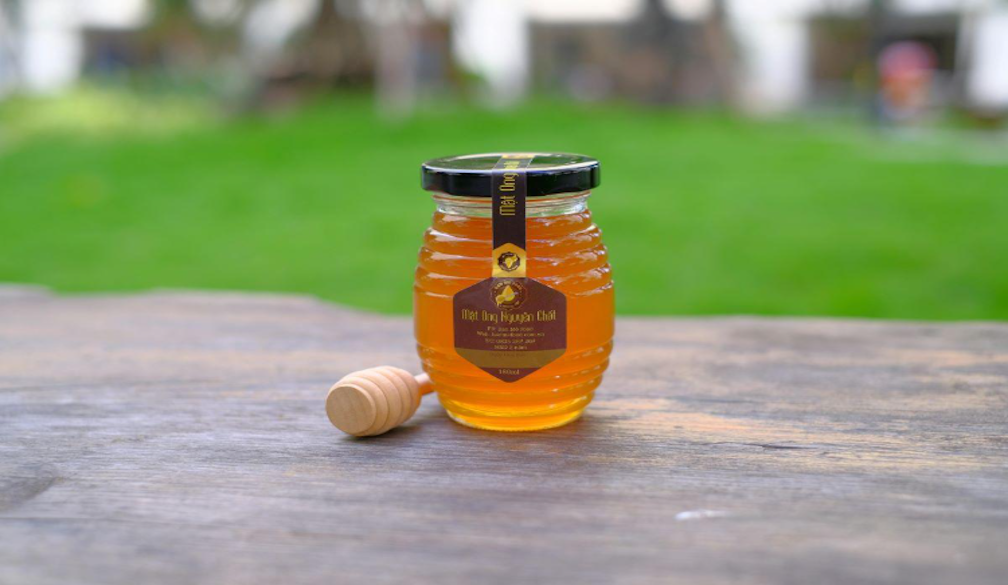
When it comes to selling honey, your jar’s label is just as important as the honey itself. A well-designed, informative label not only builds trust in your brand but also ensures that customers understand exactly what they’re buying.
Adding the right details isn’t just good practice-it’s a legal requirement. Meeting these standards keeps your honey compliant with regulations and reassures your customers about its quality and authenticity.
Adding the right details isn’t just good practice, it's a legal requirement. Meeting these standards keeps your honey compliant with regulations and reassures your customers about its quality and authenticity.
Using custom honey labels is a great way to achieve both compliance and visual appeal. These labels allow you to display important information while showcasing your unique brand identity, making your honey stand out on the shelf.
Legal Requirements for Honey Labels
Creating honey labels isn’t just about design-it’s also about meeting essential legal standards. Including the right information ensures your product is both transparent and compliant with industry regulations.
Here’s what you need to include:
- Product Name:
Clearly label your product as "Honey" or specify its type, such as "Blossom Honey" or "Honeydew Honey," so customers know exactly what they’re buying.
- Producer Information:
Add the name and address of the person or company responsible for producing or packaging the honey. This is a legal requirement and a great way to build trust with your buyers.
- Country of Origin: Consumers like to know where their honey comes from, so indicate the location of harvest. For blends, make sure to include accurate information about all sources.
- Net Weight: Display the net weight in metric units so buyers can see how much product they’re getting.
- Best-Before Date:
Highlight the best-before date to help customers enjoy your honey at its freshest.
- Lot Number: Include a lot number for traceability, which is essential for recalls or addressing customer concerns.
Additional Information to Improve Consumer Trust
Beyond meeting legal requirements, adding thoughtful details to your honey labels shows that you care about providing an excellent product experience. These extras help educate your customers, boost their confidence, and make your honey stand out.
Here’s what to consider:
- Storage Instructions:
Share tips to help customers maintain the quality of your honey. For example, advise storing it in a cool, dry place away from direct sunlight. Clear storage guidelines help extend the product’s freshness and show your commitment to quality
- Crystallisation Information:
Reassure customers by explaining the natural crystallisation process. Let them know it’s normal for honey to solidify over time, especially in cooler temperatures, and suggest an easy fix—like gently warming the jar in warm water to return it to a liquid state. This helps avoid unnecessary concerns about product quality.
- Nutritional Information: If you’re making health-related claims, provide clear nutritional details. Highlight natural sugars, vitamins, or other beneficial properties to appeal to health-conscious buyers and build product credibility.
Designing Effective Custom Honey Labels
A well-designed label does more than inform-it reflects your brand’s identity, attracts customers, and ensures compliance with legal standards.
Here’s how to design effective labels:
- Brand Identity:
Showcase what makes your honey unique. Whether your style is rustic, elegant, or playful, use design elements like colours, fonts, and graphics to reflect your brand’s personality. A cohesive look helps your product stand out on the shelf.
- Readability:
Prioritize clarity in your design. Use easy-to-read fonts and ensure text sizes are large enough for quick recognition. Key details, like the product name and ingredients, should be instantly visible to potential buyers.
- Material and Durability:
Choose label materials that can withstand real-life conditions, such as moisture or exposure to sunlight. Durable labels maintain their professional appearance from store shelves to customers' homes.
- Compliance with Regulations:
Make sure your design meets all legal standards. This includes using the correct font sizes for required details and placing information in the appropriate sections of the label. Compliance not only protects your business but also reassures customers.
By focusing on these aspects, your honey label can be visually appealing, functional, and fully compliant, giving your honey the best chance to shine.
Final Words
Honey labels are a vital tool for building trust with your customers and making sure you are compliant with all legal standards.
Investing in honey labels makes sure your product looks professional and stands out on the shelf.
Investing in well-designed labels helps your honey look professional and stand out on the shelf. When combined with custom label printing, you can create durable, high-quality labels that meet all regulatory requirements while showcasing your brand’s unique personality.
By balancing compliance with creativity, your labels can leave a lasting impression, enhance customer confidence, and contribute to the success of your honey products.


 Business Daily Media